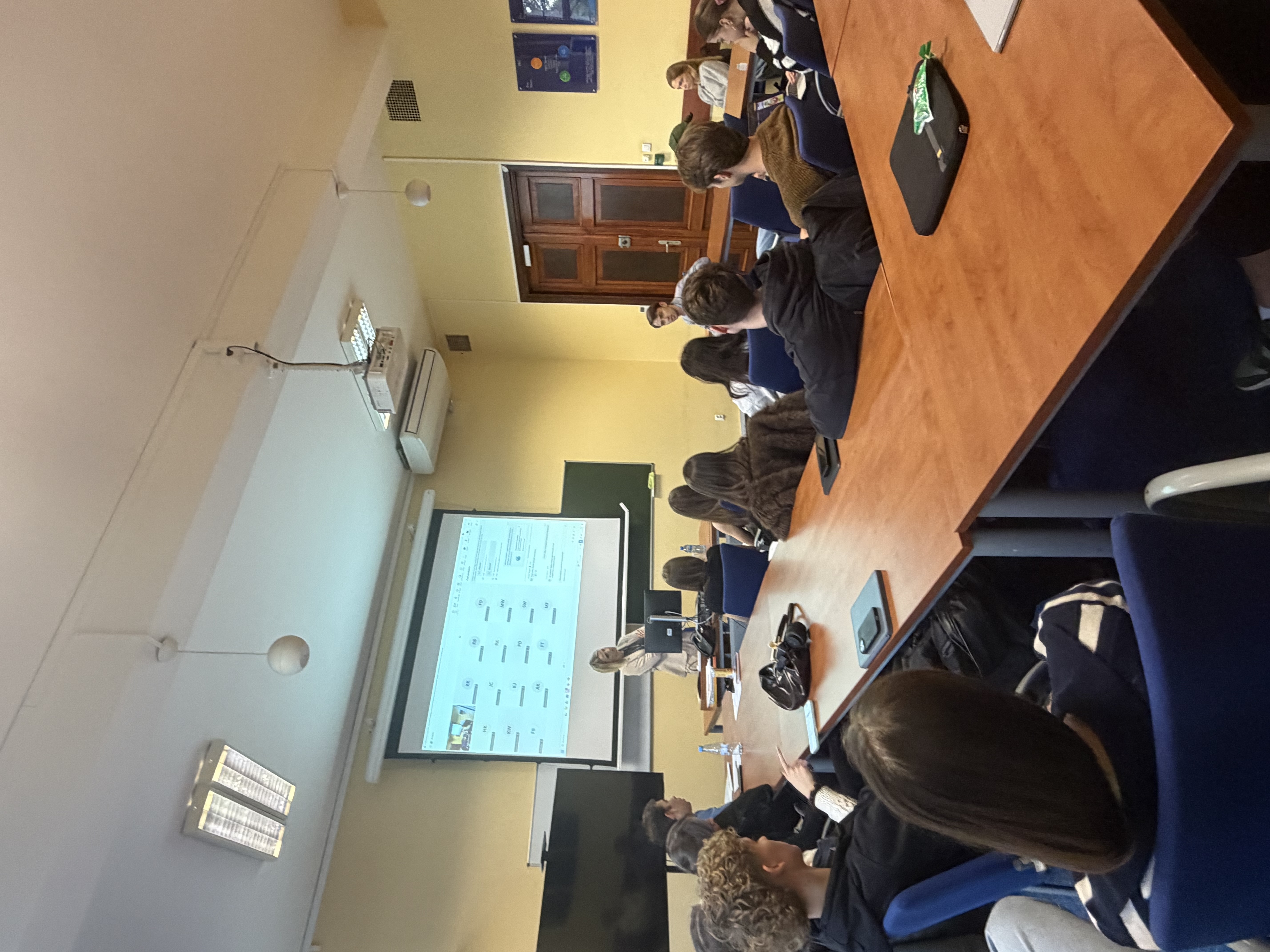
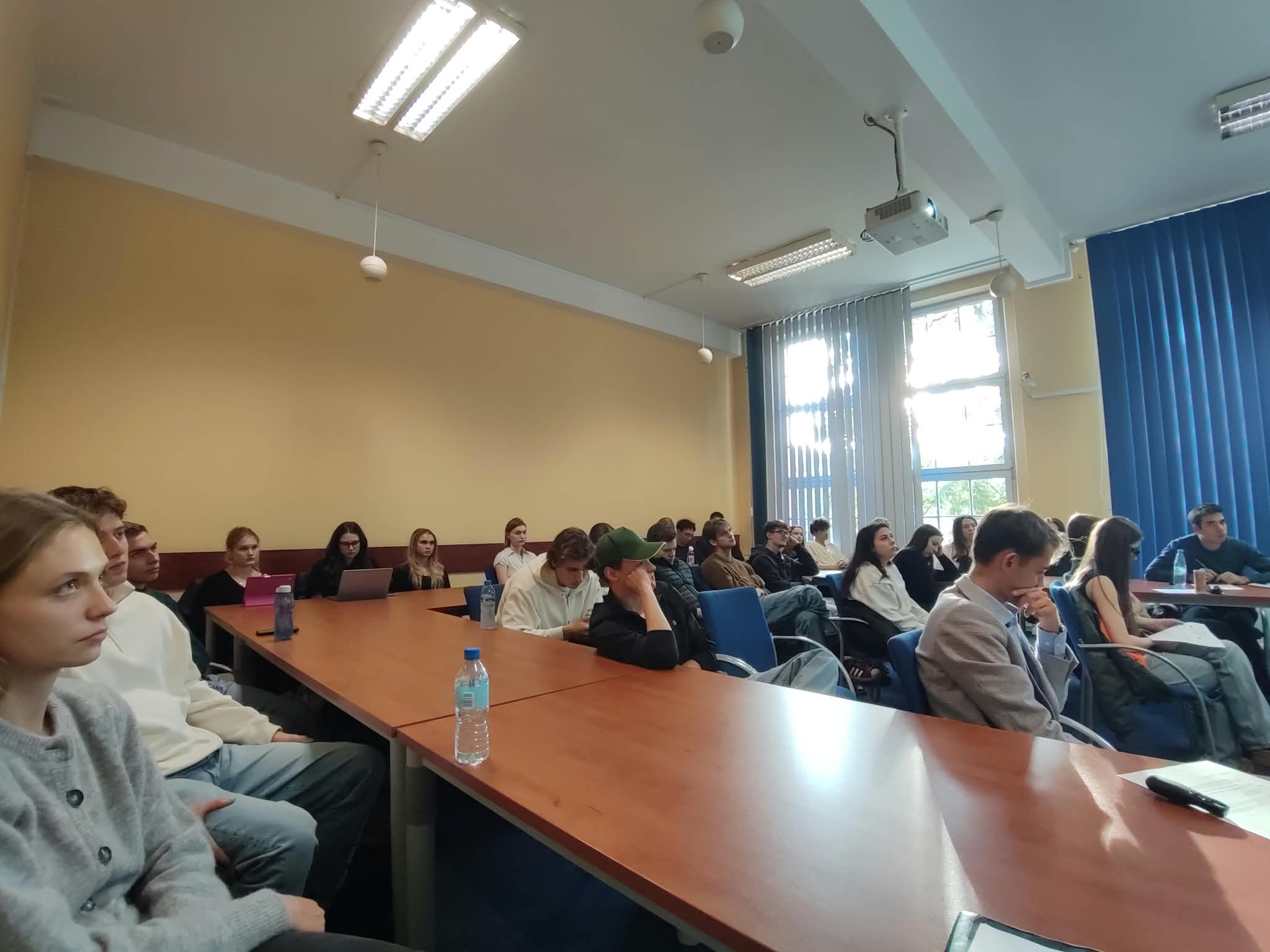
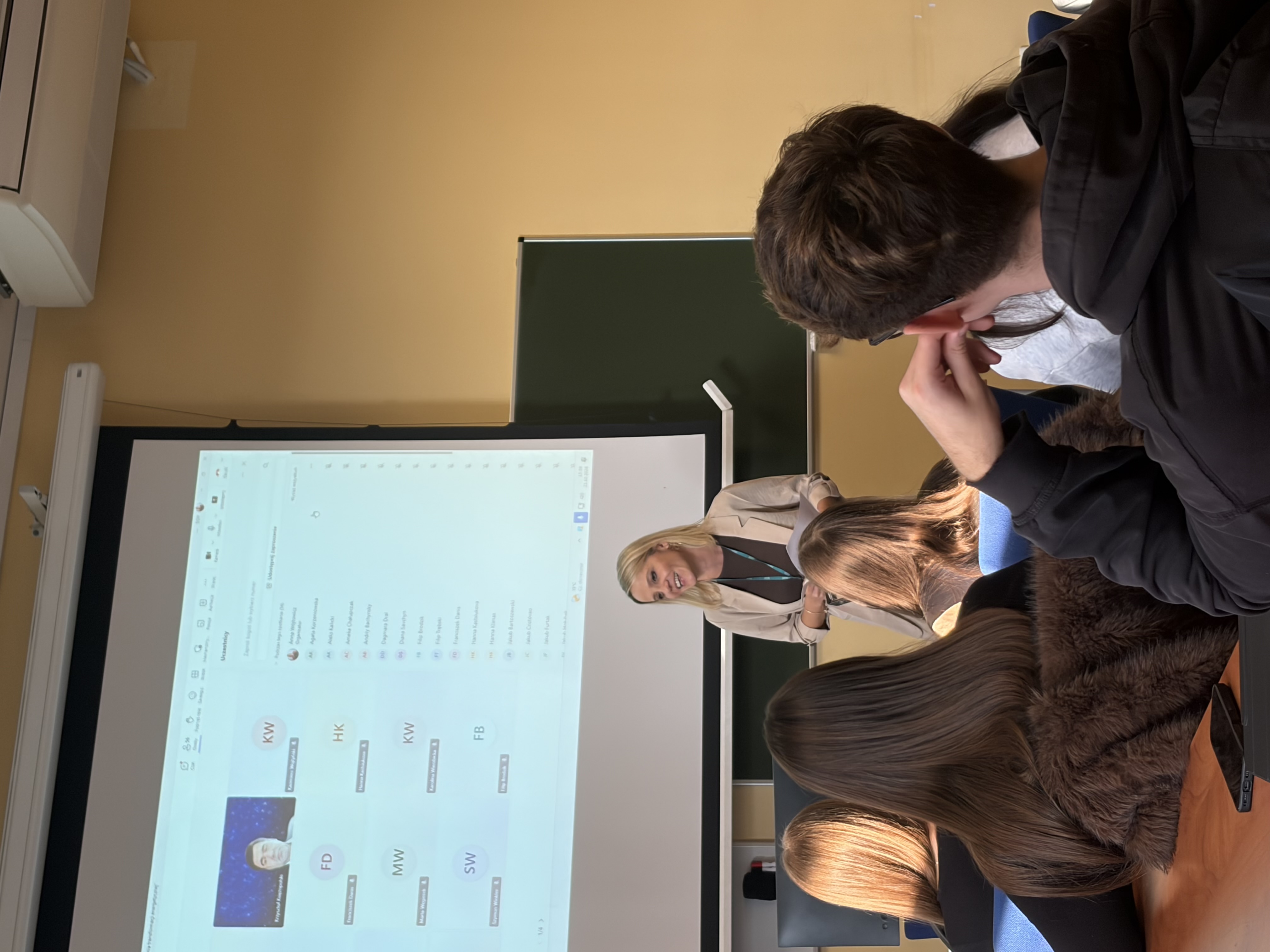
On 21 October 2026, the third EUCLIME Seminar entitled “Does Green Energy Strengthen the Competitiveness of the European Union? Opportunities and Challenges of the Energy Transition” took place. The event brought together academics, experts, business representatives, and individuals interested in the challenges of the energy transition and EU climate policy.
The seminar focused on examining the impact of the green transition on the competitiveness of the European economy and identifying the key opportunities and challenges associated with achieving the EU’s climate objectives. The meeting provided a platform for exchanging knowledge and experience between academia and energy sector practitioners.
The seminar featured the following speakers:
Dr. Krzysztof Księżopolski (Department of Public Policy, Collegium of Socio-Economics, SGH Warsaw School of Economics), who delivered a presentation entitled “Green Energy and the Competitiveness of European Industry.” His presentation explored the impact of the energy transition on the competitiveness of European industry, the role of renewable energy sources in strengthening economic advantages, and the challenges related to decarbonisation and energy security.
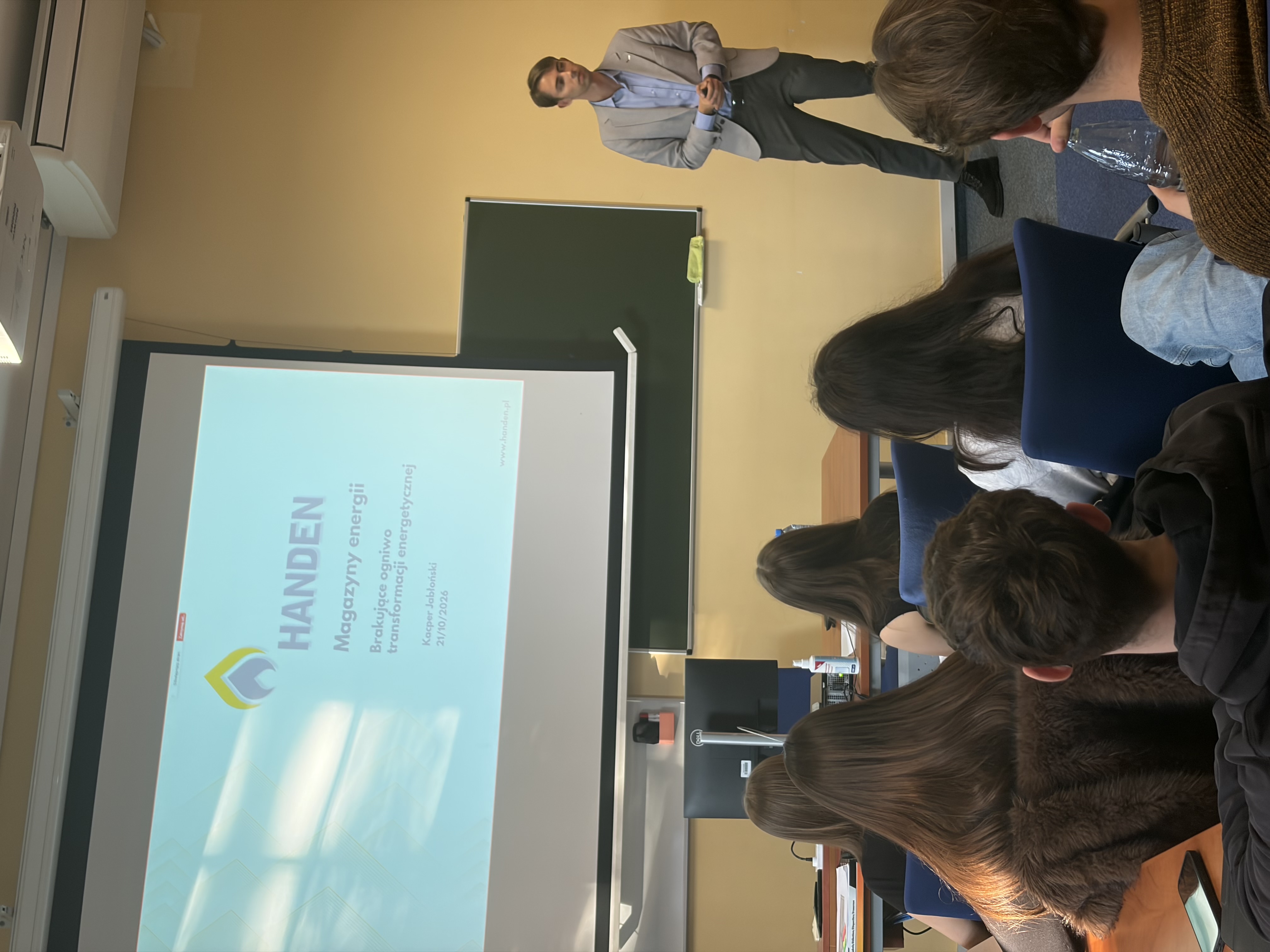
Kacper Jabłoński, Energy Portfolio Management Specialist and Project Manager for the Development of Energy Storage Facilities at HANDEN Ltd., who presented “Energy Storage – The Missing Link in the Energy Transition.” His presentation highlighted the importance of energy storage systems for ensuring power system stability, integrating renewable energy sources, and enhancing the flexibility and security of energy supply.
The presentations were followed by a discussion on the future of European energy policy, the possibilities of reconciling climate objectives with maintaining the EU’s economic competitiveness, and the role of emerging technologies in supporting a successful energy transition. The seminar provided an opportunity for an in-depth reflection on the role of green energy in shaping the future of the European economy and strengthening its resilience in the face of contemporary challenges.

Projekt finansowany przez Unię Europejską. Poglądy i opinie wyrażone na stronie są jednak wyłącznie poglądami i opiniami autorów i niekoniecznie odzwierciedlają poglądy Unii Europejskiej lub Europejskiej Agencji Wykonawczej ds. Edukacji i Kultury (EACEA). Unia Europejska, ani EACEA nie ponoszą za nie odpowiedzialności.